Not Just a Jersey Anymore: Australia’s Sportswear Upgrade Story
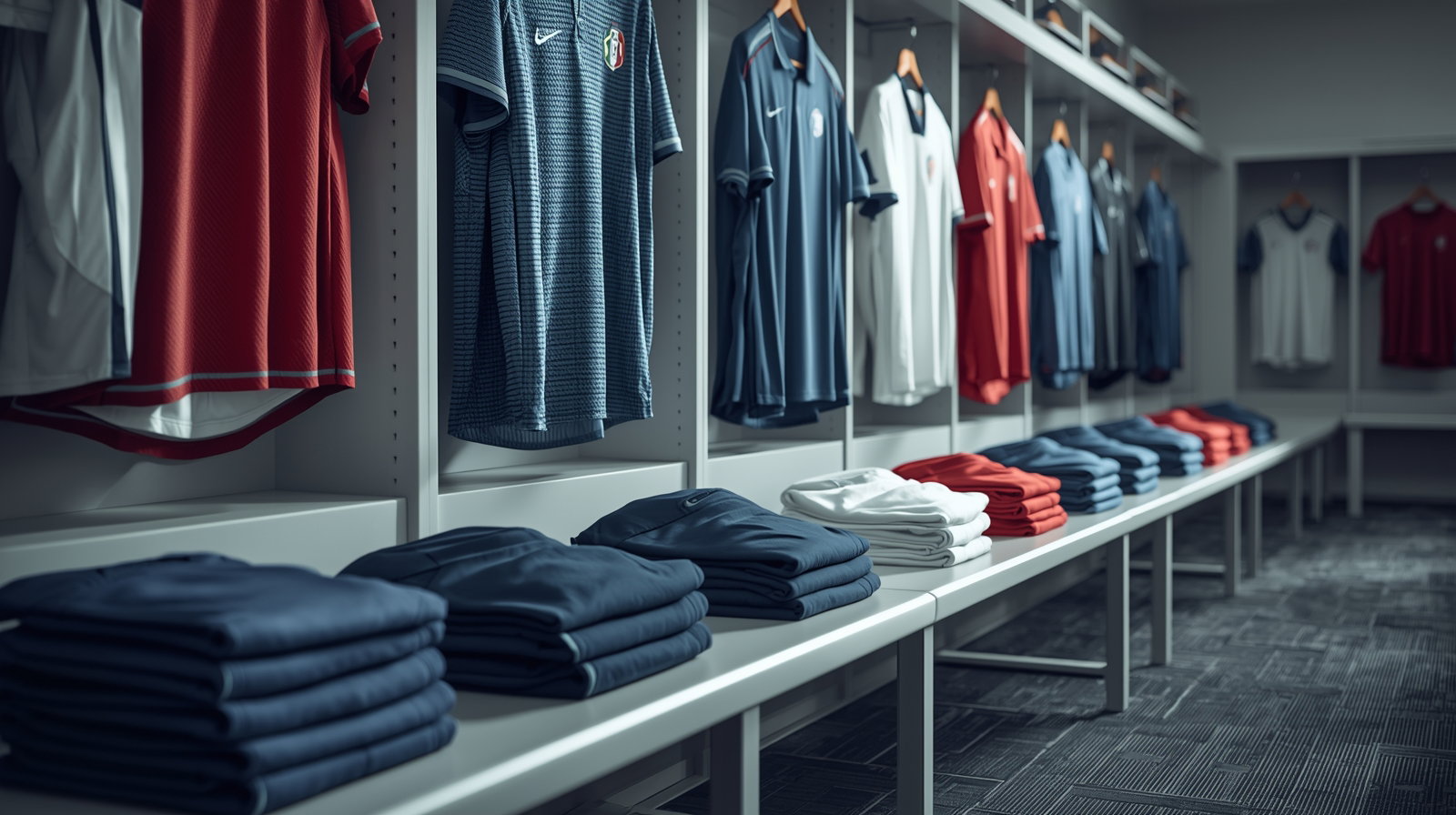
There was a day when sportswear was simply a uniform that teams wore because they had to wear one. A simple jersey, a pair of standard shorts, and that was it. That was all you needed to step onto the field. However, the mentality has changed, and this is not the case now.
Sportswear is no longer simply a case of showing up; it’s about performing, it’s about representing the team, and it’s about feeling confident when wearing the gear. Teams across Australia are ditching the generic sportswear and opting for a more purposeful choice. It’s not a change in aesthetics; it’s a step up in functionality that is changing the purpose of teamwear.
Why Generic Sportswear No Longer Works
The one-size-fits-all, this approach doesn't hold up anymore, as it did traditionally. Different sports demand different types of material, flexibility, breathability and durability. Generic sports often miss this mark. In Australia, with a varied climate, from intense heat to cooler conditions, fabric quality becomes even more critical. Basic materials can feel heavy, trap sweat, and wear out quickly.
Generic designs fail to reflect a team’s identity, making even well-organised teams look uncoordinated. Add to that issues like fading prints and loose stitching after a few washes, and it becomes clear that “cheap and quick” often leads to repeated spending. More teams are recognising that sticking with generic options ends up costing more over time—both financially and in performance.
The Rise of Custom Sportswear in Australia
This change in custom gear has been more pronounced in recent times, mainly because of the availability of sportswear online in Australia. Something that was once only available for professional clubs is now available for local clubs, schools, and organisations.
The technology used in the production of sportswear has improved greatly. The production time is much shorter now, and the entire process is much more streamlined compared to how it used to be. This has changed the mindset of many sports teams. Custom gear is no longer seen as a luxury for sports teams but is becoming the norm.
The more sports teams get to experience the change, the more the need for custom sportswear Australia is going to grow, not only for its looks but for its functionality as well.
What “Upgrade” Actually Means in Today’s Sportswear
It’s not just a matter of adding a logo or changing colours. Upgrading sportswear involves a number of practical improvements that directly impact how it functions.
The first of these improvements is performance fabrics. The latest sportswear materials are designed to absorb moisture, breathe, and withstand regular use without compromising shape or quality—especially in Australia.
The fit and functionality of sportswear have also improved. Rather than standard issue, teams now prefer sport-specific clothing that allows for maximum comfort during play.
Design precision is also an important factor. The sportswear needs to look professional, even after multiple wearings.The final aspect of upgrading sportswear involves versatility. Rather than just wearing jerseys for a single game, teams can now wear training gear, outerwear, and even off-the-field clothing, such as custom polo shirts in Australia.
The Impact on Teams: More Than Just Appearance
As teams change to better sportswear, there is a change beyond how they appear. The team members appear to have more confidence and unity since they know they are wearing something that not only fits well but also looks professional. This could have an effect on how they appear both on and off the field.
There is also the aspect of branding. The team’s image is enhanced if they have better sportswear across all categories. For the coaches or organizers, it is easier to plan since there is less replacement of equipment.
The best measure of quality is that once you change to better sportswear, you will not go back.
Common Mistakes Teams Still Make
- Choosing the sportswear based on price and compromising on quality, therefore.
- Ignoring material based on different sports and weather conditions.
- Sticking to one size fits all approach and not considering different body types.
- Not taking samples before placing bulk orders.
- Working with suppliers that lack in custom sportswear in Australia
- Prioritising looks over comfort and on-field functionality
Conclusion
Sportswear is no longer just a uniform- it plays an important role in determining part of performance, identity, and team culture. This change took place in Australia and moved beyond its basics.
At the Sports Centre, the growing demand for custom options reflects a more informed approach, where brand values– quality, fit, and consistency. What was once considered an upgrade is quickly becoming the new standard—and teams that recognise this early are already seeing the difference.
